
Your First Choice for Industrial Gases and Welding Supplies

Essential PPE & Safety Equipment for Handling Gas Cylinders

Handling gas cylinders safely starts with the right equipment. Learn about essential PPE, cylinder carts, restraints, and other tools for safer handling.

Compressed gas cylinders are used every day in welding, fabrication, construction, manufacturing, laboratories, healthcare, food and beverage operations, and countless other applications. While cylinders are designed to safely contain gases under pressure, their size, weight, pressure, and contents mean they need to be handled carefully.

The right personal protective equipment (PPE) is an important part of cylinder safety, but PPE is only part of the equation. Cylinder carts, valve protection caps, straps, chains, racks, and other handling equipment can be just as important.

Before moving, connecting, or working around compressed gas cylinders, make sure you have the right equipment for the job.


What PPE Should You Wear When Handling Gas Cylinders?

The PPE required when handling compressed gas cylinders depends on the gas, cylinder, workplace, and task being performed. However, some basic protective equipment is commonly appropriate when moving or handling cylinders.

Depending on the application, that may include:

  • Safety glasses or appropriate eye protection. Helps protect against debris, unexpected releases, or other hazards encountered while handling cylinders and equipment.
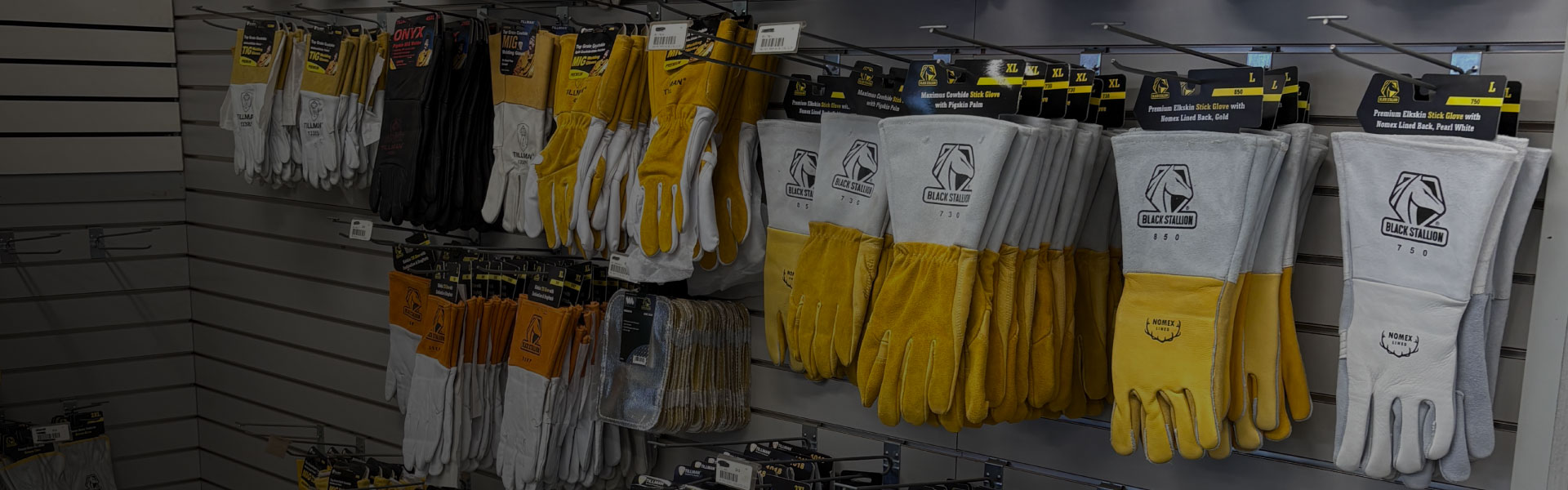
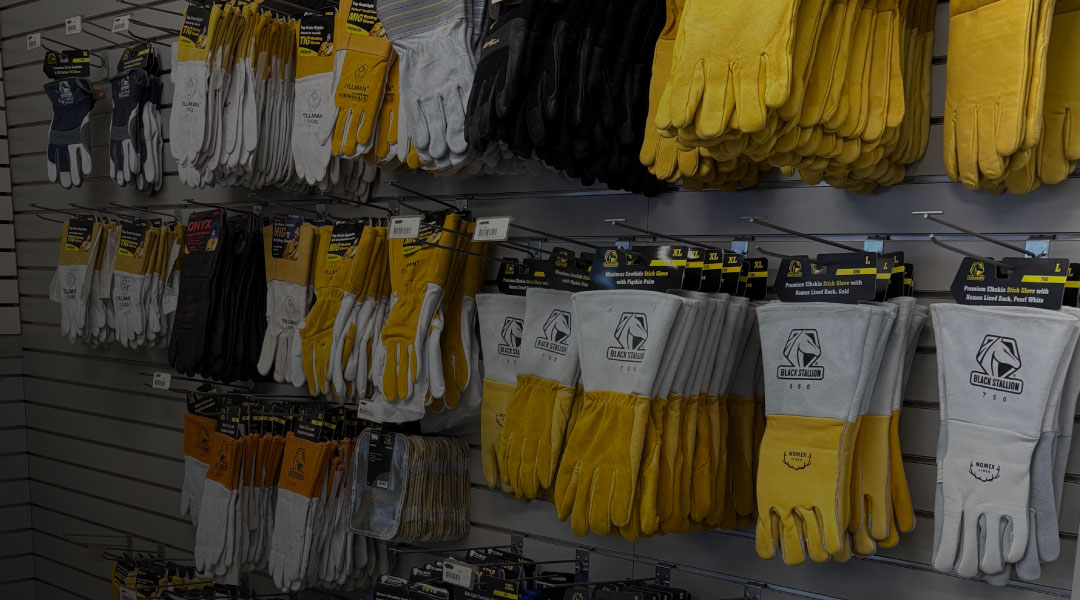
  • Work gloves. Appropriate gloves can improve grip and help protect hands from pinching, abrasion, cuts, and other handling hazards.
  • Safety footwear. Protective-toe footwear can help reduce the risk of foot injuries when moving heavy cylinders.
  • Long pants and appropriate work clothing. Clothing should be suitable for the work environment and the gas being handled.
  • Application-specific PPE. Welding, cutting, cryogenic gases, chemicals, and other applications may require additional protection.

Always consider the specific hazards of the gas and the work being performed rather than assuming the same PPE is appropriate for every cylinder.


Should You Wear Gloves When Handling Gas Cylinders?

Work gloves are commonly used when moving and handling compressed gas cylinders. Cylinders can be heavy and may present pinch, abrasion, or impact hazards during handling.

Choose gloves that provide appropriate protection while still allowing you to maintain a secure grip on the cylinder and handling equipment.

Different products may require different types of gloves. For example, handling cryogenic containers or extremely cold products may require specialized thermal protection that ordinary work gloves do not provide.

For oxygen equipment, keep oil, grease, and other petroleum-based contamination away from cylinders, valves, regulators, and associated equipment.


Do You Need Safety Glasses When Handling Gas Cylinders?

Eye protection is an important part of many cylinder-handling and gas-use procedures.

Safety glasses with appropriate impact protection can help protect your eyes while moving cylinders, attaching equipment, and working around compressed gas systems.

Depending on the task, additional protection such as goggles, a face shield, welding helmet, or other application-specific eye and face protection may be required.

The appropriate protection depends on what you're doing with the cylinder, not simply what gas is inside it.


What Footwear Should You Wear When Moving Gas Cylinders?

Compressed gas cylinders can be heavy. Dropping or losing control of one can result in serious foot injuries.

In industrial and workplace environments, appropriate protective footwear should be selected based on the hazards identified for the job. Protective-toe footwear is commonly used where heavy objects such as cylinders are handled.

Footwear should also provide adequate traction for the surface where cylinders are being moved.

Good footwear does not replace proper cylinder-handling equipment. A heavy cylinder should still be moved using an appropriate cart, hand truck, or other approved method whenever possible.


Should You Use a Cylinder Cart?

Yes. An appropriate cylinder cart or hand truck is one of the most important tools for safely moving compressed gas cylinders.

Cylinders can be awkward, tall, and heavy. Trying to carry a cylinder manually can increase the risk of dropping it, losing control of it, damaging the valve, or injuring yourself.

A cylinder cart should:

  • Be designed or appropriate for the size and type of cylinder being moved.
  • Include a chain, strap, or other means of securing the cylinder.
  • Be in good condition.
  • Keep the cylinder under control while it is being moved.
  • Be used according to its intended design.

Secure the cylinder to the cart before moving it.


Can You Roll a Gas Cylinder on the Floor?

Gas cylinders should not be rolled horizontally across the floor or allowed to roll freely.

For most routine cylinder movement, use an appropriate cylinder cart or handling device rather than carrying, dragging, sliding, or horizontally rolling the cylinder.

Cylinders should also never be intentionally dropped or allowed to strike each other.

Even a short move across the shop should be treated as a cylinder-handling task.


Why Are Cylinder Straps and Chains Important?

A standing cylinder can be unstable if it is not properly restrained. A bump, impact, vibration, or accidental contact can cause an unsecured cylinder to fall.

Cylinders should be secured using an appropriate:

  • Cylinder rack.
  • Chain.
  • Strap.
  • Wall-mounted restraint.
  • Purpose-built cylinder stand.
  • Other suitable securement system.

The restraint should prevent the cylinder from tipping or falling during normal storage and use.

Do not rely on leaning a cylinder against a wall, workbench, welding table, or other object as a substitute for proper securement.


When Should the Cylinder Valve Cap Be Installed?

Many compressed gas cylinders are designed with a removable protective valve cap.

When provided, the cap helps protect the cylinder valve from physical damage while the cylinder is being stored, handled, or transported.

When a cylinder is not connected for use and the design calls for a removable protective cap, the cap should generally be installed before the cylinder is moved.

Never use the protective valve cap to lift or carry a cylinder.


Why Is Protecting the Cylinder Valve So Important?

The cylinder valve controls the release of gas stored under pressure. Protecting it from impact and physical damage is a critical part of safe cylinder handling.

To help protect cylinder valves:

  • Install the protective valve cap when applicable.
  • Use appropriate cylinder-handling equipment.
  • Keep cylinders secured against falling.
  • Do not drop or strike cylinders.
  • Keep cylinders away from areas where vehicles, forklifts, equipment, or materials could strike them.
  • Do not lift cylinders by the valve, regulator, or protective cap.

A damaged valve or cylinder should not be used until it has been appropriately evaluated.


Can You Lift a Gas Cylinder by the Cap or Valve?

No. A cylinder should not be lifted or carried by its valve, regulator, or removable protective valve cap.

These components are not intended to serve as lifting points.

Use appropriate cylinder-handling equipment and approved lifting methods for the particular cylinder and application.


Should Gas Cylinders Always Be Secured?

Compressed gas cylinders should be secured when required to prevent them from falling, tipping, rolling, or otherwise being damaged.

This applies not only during transportation, but also during storage and use.

A cylinder may appear stable while standing upright, but it can still be knocked over by equipment, material handling, another cylinder, or someone simply walking through the work area.

Proper cylinder securement should be part of the setup, not something added after work begins.


What About Oxygen Cylinders?

Oxygen requires additional attention because it supports combustion. Oxygen itself is not flammable, but materials can ignite more easily and burn more intensely in an oxygen-enriched environment.

When handling oxygen cylinders and equipment:

  • Keep cylinders properly secured.
  • Protect valves from physical damage.
  • Keep oil and grease away from oxygen valves, regulators, fittings, and equipment.
  • Use equipment designed and approved for oxygen service.
  • Keep oxygen away from ignition hazards and combustible materials as required.
  • Follow applicable storage and separation requirements.

Gloves and hands used around oxygen equipment should be clean and free from oil, grease, and other inappropriate contamination.


What About Cryogenic Liquids?

Liquid nitrogen, liquid oxygen, liquid argon, liquid carbon dioxide, and other cryogenic products introduce additional hazards because of their extremely low temperatures and physical properties.

Handling cryogenic liquids may require specialized PPE such as:

  • Appropriate cryogenic gloves.
  • Safety glasses.
  • A face shield where splash or transfer hazards exist.
  • Protective clothing that helps prevent liquid from becoming trapped against the skin.
  • Appropriate protective footwear.

Ordinary work gloves are not necessarily appropriate protection for cryogenic liquid exposure.

Always follow the Safety Data Sheet, equipment instructions, workplace procedures, and product-specific requirements before handling or transferring cryogenic products.


What About Welding and Cutting Cylinders?

Connecting a cylinder to welding or cutting equipment introduces additional hazards beyond simply moving or storing the cylinder.

Depending on the process, appropriate PPE may include:

  • Safety glasses.
  • Welding helmet or appropriate filter lens.
  • Welding gloves.
  • Flame-resistant clothing.
  • Protective footwear.
  • Hearing protection.
  • Additional PPE required for the specific process or environment.

Use regulators, hoses, torches, flashback protection, and other equipment appropriate for the gas and application.

Never assume that cylinder-handling PPE alone is sufficient for welding, cutting, brazing, or heating operations.


What Should You Inspect Before Moving a Gas Cylinder?

Before moving a cylinder, take a moment to check its condition and your handling equipment.

Look for:

  • Obvious cylinder or valve damage.
  • Signs of leakage.
  • A properly closed valve.
  • A protective valve cap installed when applicable.
  • A readable cylinder label.
  • A cylinder cart or handling device in good condition.
  • A functional strap, chain, or restraint.
  • A clear path to the cylinder's destination.

Do not move or use a cylinder you believe is damaged or leaking without following the appropriate safety procedure.


Quick Gas Cylinder PPE & Safety Equipment Checklist

Before handling or moving a compressed gas cylinder, make sure:

  • You understand what gas you're handling and its primary hazards.
  • You are wearing appropriate eye protection.
  • You have appropriate gloves for the task.
  • You are wearing suitable protective footwear.
  • You have an appropriate cylinder cart or handling device.
  • The cylinder can be secured with a suitable chain, strap, rack, or restraint.
  • The protective valve cap is installed when applicable.
  • The cylinder valve is protected from impact or damage.
  • Your route is clear before moving the cylinder.
  • You understand any additional PPE requirements associated with the gas or application.

If you're unsure about any of these items, ask a Maine Oxy team member. We're happy to help.


Frequently Asked Questions

What PPE is required for handling compressed gas cylinders?

PPE depends on the gas, cylinder, task, and work environment. Appropriate eye protection, work gloves, protective footwear, and suitable work clothing are commonly used when handling cylinders. Additional PPE may be required for welding, cutting, cryogenic gases, or other specialized applications.

Should you wear gloves when handling gas cylinders?

Appropriate work gloves are commonly used to improve grip and help protect against pinching, abrasion, and other handling hazards. The type of glove should be selected for the specific task and product being handled.

Do you need steel-toe boots when moving gas cylinders?

Protective-toe footwear is commonly used in workplaces where heavy objects such as compressed gas cylinders are handled. The specific footwear required should be based on the hazards of the workplace and applicable safety requirements.

Do gas cylinders need to be chained or strapped?

Cylinders should be appropriately secured to prevent them from falling, tipping, rolling, or being damaged. Depending on the application, this may involve a cylinder rack, chain, strap, stand, wall restraint, or another suitable securement method.

Can you move a gas cylinder without a cart?

Use an appropriate cylinder cart or handling device whenever practical. Cylinders can be heavy and difficult to control, and attempting to carry, drag, slide, or horizontally roll one can increase the risk of injury or cylinder damage.

Can you roll a gas cylinder?

Do not roll a cylinder horizontally across the floor or allow it to roll freely. Appropriate cylinder-handling equipment should be used for routine movement.

Can you lift a cylinder by the protective cap?

No. Protective valve caps are intended to help protect cylinder valves from damage. They should not be used as lifting or carrying points.

Should the valve cap be installed when moving a cylinder?

When a cylinder is designed to use a removable protective valve cap, the cap should generally be installed while the cylinder is being handled, stored, or transported when it is not connected for use.

What should you do if a gas cylinder looks damaged?

Do not use a cylinder that appears damaged or is suspected of leaking. Keep people away from the potential hazard and follow your workplace procedures or contact the gas supplier or appropriate emergency personnel based on the circumstances.

The Right Equipment Makes Cylinder Handling Safer

Personal protective equipment is important, but safe cylinder handling involves more than gloves and safety glasses.

The right cylinder cart, securement system, valve protection, PPE, and handling practices all work together.

Whether you're moving a single welding cylinder or managing gases throughout a large facility, take the time to understand the hazards, use appropriate equipment, and secure cylinders properly.

If you're purchasing gases or cylinder-handling equipment from Maine Oxy and aren't sure what you need, ask our team. We can help you identify equipment appropriate for your application.


Safety Resources

This article provides general safety information and is not a substitute for applicable laws, regulations, codes, Safety Data Sheets, manufacturer instructions, workplace procedures, or product-specific requirements.

Maine Oxy recommends consulting applicable guidance from the Compressed Gas Association (CGA), Occupational Safety and Health Administration (OSHA), and other relevant regulatory and industry organizations.

Relevant resources include:

Compressed Gas Association Compressed gas safety standards and resources
Learn More
OSHA Personal Protective Equipment
Learn More
OSHA Compressed Gas and Equipment Safety Requirements
Learn More


Have a question?
We're here to help.

CONTACT US

OTHER SAFETY TOPICS

SEARCH ×

Search